
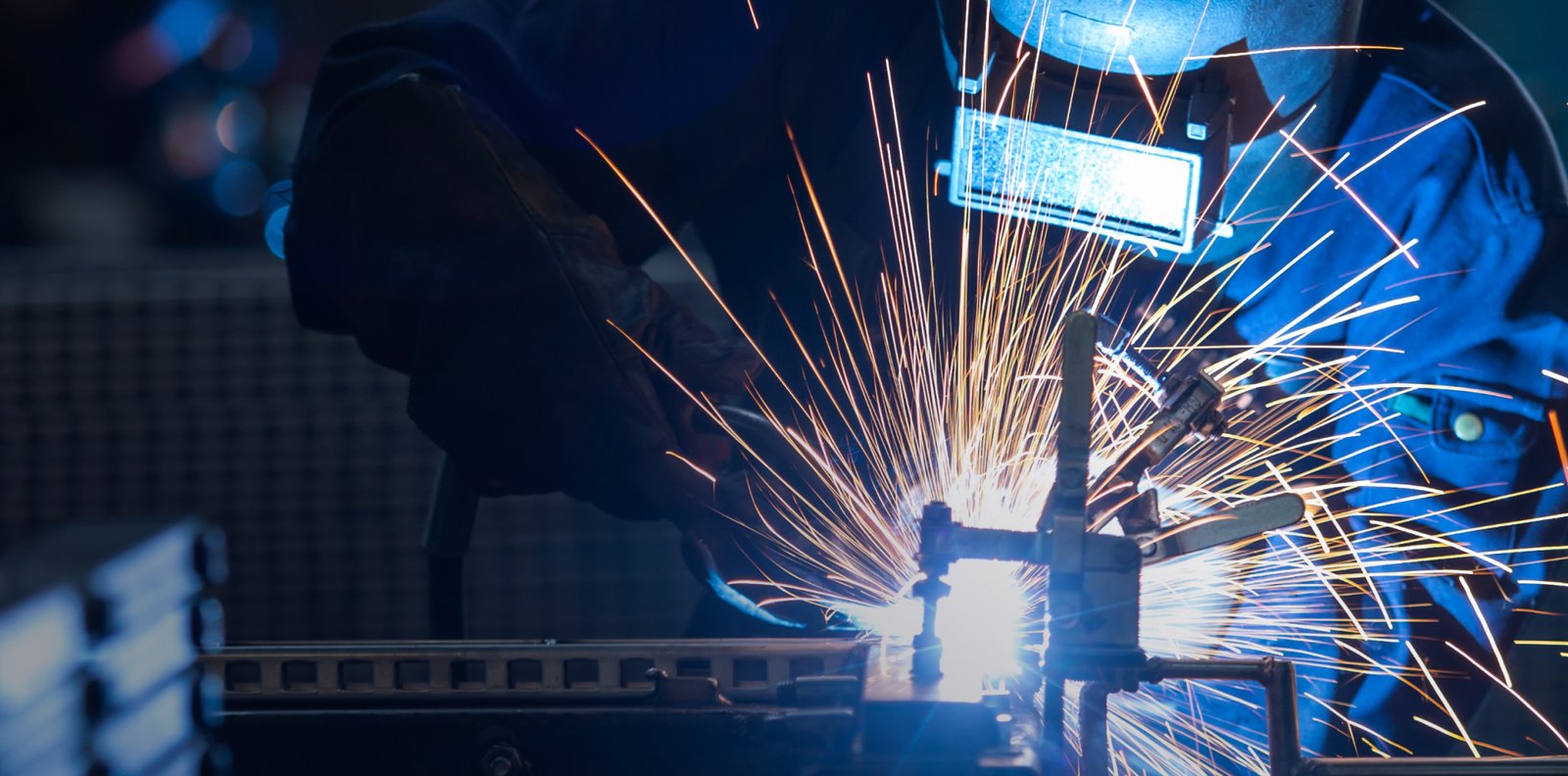
Driving Industrial Growth Through Advanced Steel and Energy Technologies
Industrial growth is the foundation of economic development, infrastructure expansion, and technological progress. At the heart of this growth lies two critical pillars: steel manufacturing and energy technologies. Together, they enable industries to build stronger structures, operate efficiently, and meet the rising demands of modern economies. As industries evolve, advanced steel production methods and innovative energy solutions are redefining how manufacturing supports sustainable and long-term growth.
This blog explores how advanced steel and energy technologies are driving industrial growth, improving efficiency, strengthening infrastructure, and shaping a more sustainable industrial future.
The Role of Steel in Industrial Development
Steel has long been regarded as the backbone of industrialization. Its strength, durability, versatility, and recyclability make it indispensable across multiple sectors.
Applications Across Industries
Steel plays a vital role in:
- Infrastructure and construction projects
- Power plants and energy transmission systems
- Manufacturing and heavy engineering
- Transportation and automotive sectors
- Oil, gas, and industrial machinery
As industries expand and modernize, the demand for high-quality steel with precise mechanical properties continues to rise.
Evolution of Steel Manufacturing Technologies
Traditional steel manufacturing methods have evolved significantly over the years. Modern rolling mills and processing facilities now integrate automation, digital monitoring, and precision engineering.
Advanced Rolling Mill Technology
Modern rolling mills are designed to:
- Produce steel with consistent dimensions and strength
- Reduce material wastage
- Improve surface finish and product reliability
- Increase production speed without compromising quality
Automated rolling systems allow precise control over temperature, pressure, and rolling speed, ensuring uniform output even at high volumes.
Improved Process Control
Advanced sensors and control systems monitor each stage of steel production in real time. This enables manufacturers to:
- Detect deviations instantly
- Maintain consistent quality
- Reduce downtime and rework
Such process optimization directly supports higher productivity and operational efficiency.
Energy Technologies Powering Modern Industry
Energy is the driving force behind industrial operations. Steel manufacturing, in particular, is energy-intensive, making efficient energy management critical for sustainable growth.
Shift Toward Energy Efficiency
Modern industries are increasingly adopting energy-efficient technologies to:
- Lower operational costs
- Reduce carbon emissions
- Improve overall plant efficiency
High-efficiency furnaces, optimized production scheduling, and intelligent energy management systems play a crucial role in this transition.
Integration of Power Generation and Consumption
Advanced industrial facilities integrate power generation with manufacturing operations. This approach ensures:
- Stable and reliable energy supply
- Reduced transmission losses
- Better control over energy usage
Integrated energy solutions strengthen industrial resilience and support uninterrupted production.
Steel and Energy: A Powerful Combination for Growth
The synergy between advanced steel manufacturing and modern energy technologies is transforming industrial growth.
Enhanced Productivity
Efficient energy systems enable steel plants to operate at optimal capacity. When combined with advanced rolling technology, this results in:
- Higher production output
- Reduced downtime
- Consistent product quality
Cost Optimization
Energy-efficient operations lower fuel and electricity consumption, directly impacting production costs. Optimized steel processes further reduce waste and rework, improving overall profitability.
Infrastructure Development
High-quality steel produced through advanced processes supports the construction of:
- Bridges and highways
- Industrial plants and factories
- Power generation and transmission infrastructure
This creates a strong foundation for long-term industrial and economic growth.
Automation and Digitalization in Industrial Manufacturing
Automation and digital technologies are redefining industrial manufacturing, particularly in steel and energy-intensive sectors.
Smart Manufacturing Systems
Digital control systems allow manufacturers to:
- Monitor production parameters in real time
- Analyze performance data
- Predict maintenance requirements
This data-driven approach improves reliability, reduces unexpected failures, and enhances efficiency.
Predictive Maintenance
Advanced analytics help identify potential equipment issues before they lead to breakdowns. Predictive maintenance:
- Reduces unplanned downtime
- Extends equipment lifespan
- Improves safety and productivity
Such innovations play a key role in sustaining industrial growth.
Sustainability and Environmental Responsibility
Industrial growth today must balance economic progress with environmental responsibility. Advanced steel and energy technologies support sustainable manufacturing practices.
Reduced Emissions
Energy-efficient furnaces, cleaner fuels, and optimized processes help reduce greenhouse gas emissions. Improved steel processing techniques also minimize waste and scrap generation.
Resource Optimization
Modern manufacturing emphasizes:
- Efficient raw material utilization
- Recycling and reuse of by-products
- Reduced water and energy consumption
These practices not only protect the environment but also enhance operational efficiency.
Supporting Infrastructure and National Development
Advanced steel and energy technologies play a crucial role in national infrastructure development.
Strengthening Industrial Ecosystems
Reliable steel supply and efficient energy systems enable the growth of:
- Manufacturing clusters
- Industrial corridors
- Smart cities and transportation networks
This creates employment opportunities and boosts regional development.
Enabling Energy Infrastructure
Steel is essential for building power plants, transmission towers, pipelines, and renewable energy infrastructure. Advanced steel products ensure safety, durability, and long-term performance in critical energy projects.
Innovation as a Catalyst for Growth
Continuous innovation is essential to meet evolving industrial demands. Manufacturers investing in research, technology upgrades, and process improvements remain competitive and future-ready.
Process Innovation
Innovative rolling techniques, improved furnace designs, and automation upgrades enhance productivity and product quality.
Technology Adoption
Adopting modern energy management systems and digital tools helps industries respond to market demands while maintaining cost efficiency and sustainability.
Workforce Skill Development
Advanced technologies require skilled professionals to operate and maintain complex systems.
Training and Expertise
Continuous training ensures that engineers, technicians, and operators can:
- Manage modern rolling mills
- Optimize energy usage
- Implement safety and quality standards
A skilled workforce strengthens industrial performance and long-term growth.
Future Outlook: Building a Resilient Industrial Ecosystem
As global demand for infrastructure, energy, and manufactured goods continues to rise, the role of advanced steel and energy technologies will become even more critical.
Embracing Smart and Sustainable Manufacturing
Future industrial growth will be driven by:
- Automation and digitalization
- Energy-efficient and low-emission technologies
- High-performance steel products
Industries that invest in these areas will be better positioned to meet economic, environmental, and social challenges.
Conclusion
Advanced steel manufacturing and modern energy technologies are powerful enablers of industrial growth. Together, they enhance productivity, improve efficiency, reduce environmental impact, and support large-scale infrastructure development. By integrating innovative steel processes with efficient energy solutions, industries can build a strong foundation for sustainable and resilient growth.
As industrial ecosystems evolve, the adoption of advanced steel and energy technologies will continue to play a defining role in shaping the future of manufacturing and economic progress.